Welcome to Thessaloniki
Thessaloniki is Greece’s second-largest city and the capital of the region of Central Macedonia, located on the Thermaic Gulf in northern Greece.
Location & Size Thessaloniki is one of the country’s most important urban, cultural, and economic centres. The city stretches along the waterfront of the Thermaic Gulf, with Mount Olympus visible across the water on clear days. Its metropolitan area is home to more than one million people.
History Founded in 315 BC by King Cassander of Macedon and named after his wife Thessalonike, the half-sister of Alexander the Great, the city has a history spanning more than 2,300 years. Thessaloniki became an important centre during the Roman and Byzantine periods and later formed part of the Ottoman Empire for almost five centuries before becoming part of modern Greece in 1912.
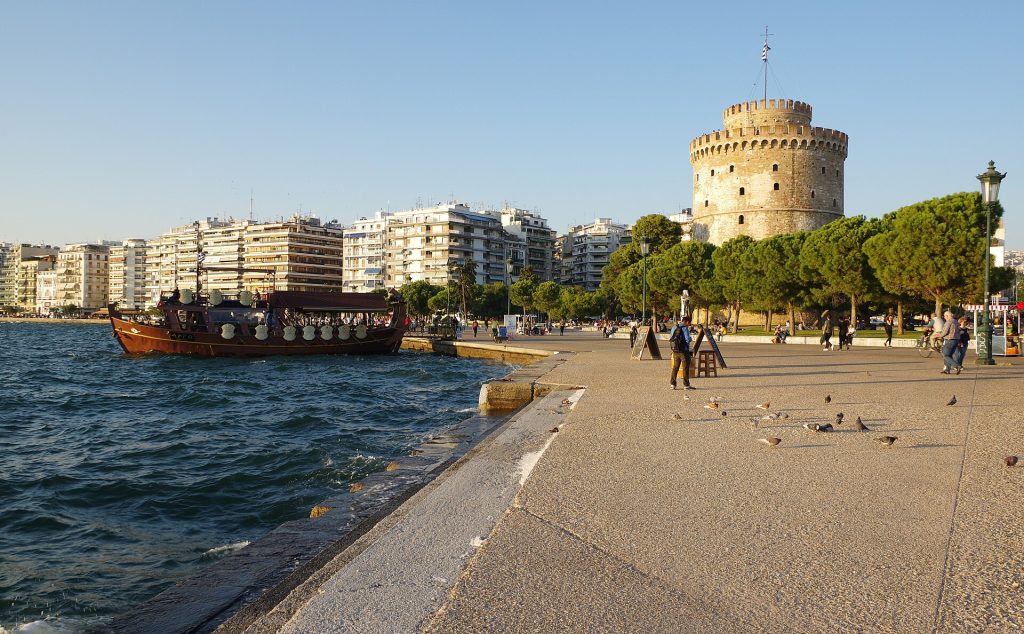
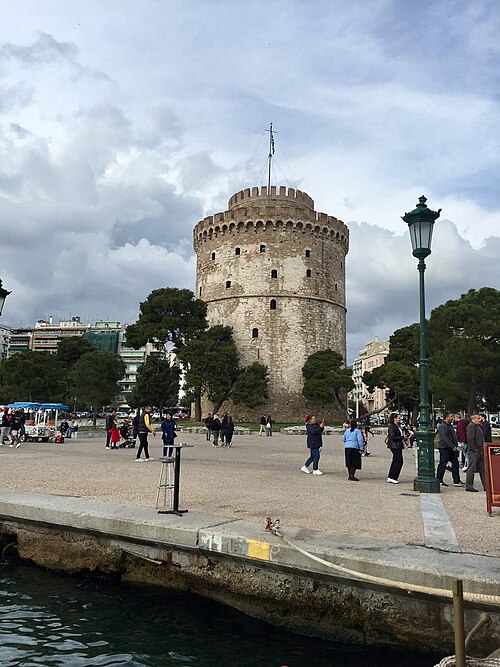
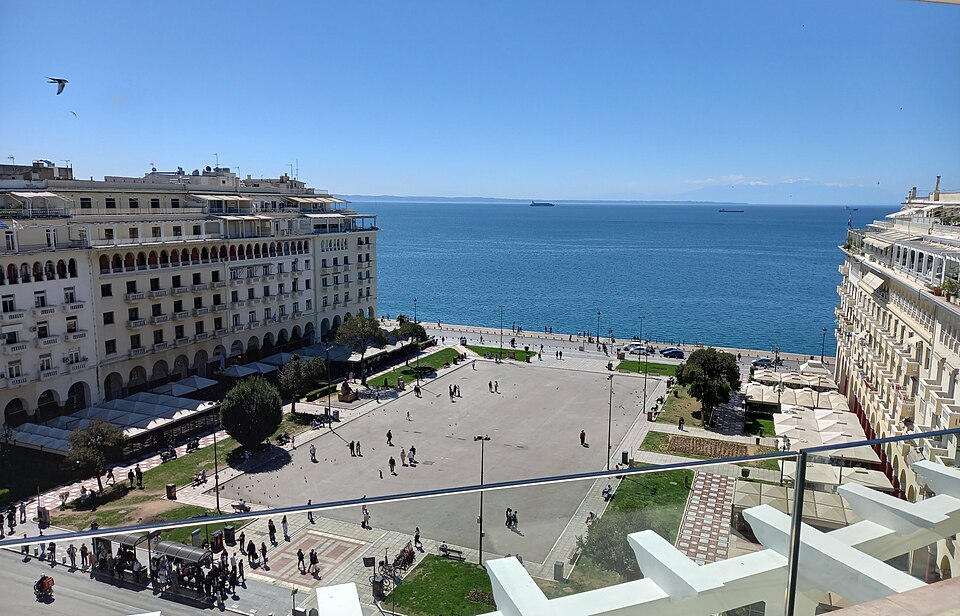
Key Features The city is known for the White Tower, its most recognisable landmark, as well as the Arch of Galerius, the Roman Agora, and numerous early Christian and Byzantine churches. Several of Thessaloniki’s Paleochristian and Byzantine monuments are recognised as UNESCO World Heritage sites. Aristotelous Square, opening onto the waterfront, is one of the city’s most prominent public spaces.
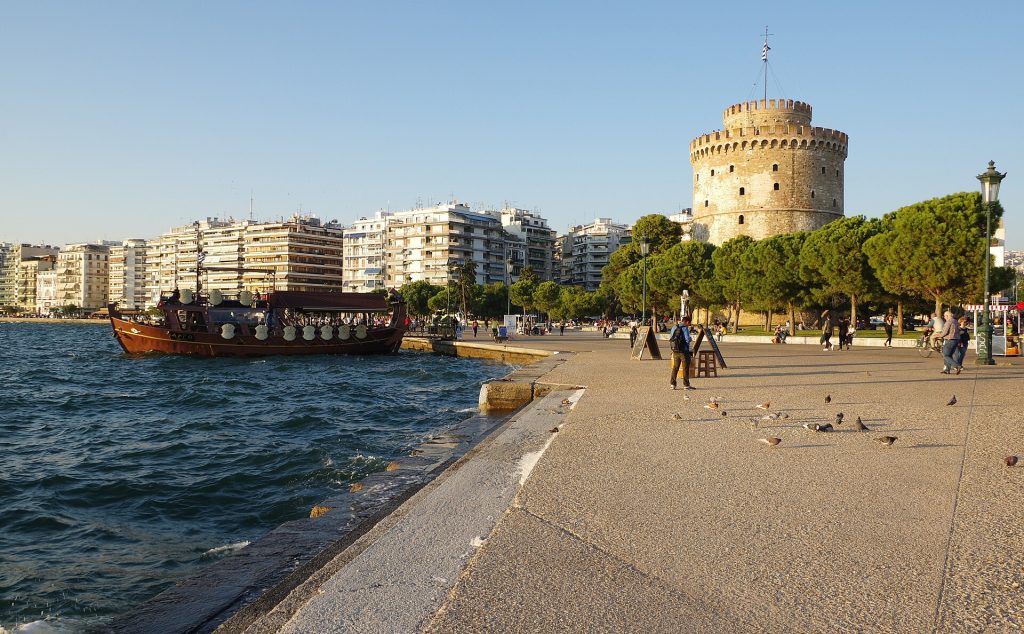
Landscape Thessaloniki combines a dense historic city centre with a long waterfront promenade along the Thermaic Gulf. The redeveloped seafront is popular for walking and cycling and offers views across the gulf. The surrounding region provides easy access to mountains, archaeological sites, and the beaches of Halkidiki.
Cultural Notes Thessaloniki is known for its lively atmosphere, strong food culture, and large student population, particularly because of Aristotle University of Thessaloniki. The city has a rich multicultural heritage shaped by Greek, Roman, Byzantine, Ottoman, and Jewish communities. It is also famous for its cafés, nightlife, festivals, and distinctive local cuisine, including pastries such as bougatsa and the ring-shaped sesame bread koulouri.
Sightseeing
Thessaloniki is a city where more than 2,000 years of history blend with a lively modern atmosphere. Roman monuments, Byzantine churches, Ottoman architecture, traditional neighbourhoods and a long seafront are all within easy reach of the city centre. Fifteen of Thessaloniki’s Early Christian and Byzantine monuments are included on the UNESCO World Heritage List. Source: UNESCO World Heritage Centre
White Tower
The White Tower is the most recognisable symbol of Thessaloniki and one of the city’s essential sights. Standing directly on the waterfront, the tower now houses an exhibition dedicated to the history of Thessaloniki. Visitors can also enjoy panoramic views of the city and the Thermaic Gulf from the top. Source: Thessaloniki Travel
Aristotelous Square
Located in the heart of the city and opening directly onto the sea, Aristotelous Square is one of Thessaloniki’s main meeting places. The square was designed as part of the redevelopment of the city following the Great Fire of 1917 and is surrounded by impressive buildings, arcades, cafés and restaurants. Source: Thessaloniki Travel
Rotunda & Arch of Galerius
The Rotunda and the nearby Arch of Galerius, locally known as Kamara, are among the most important surviving monuments from Thessaloniki’s Roman period. The Rotunda is especially notable for its impressive architecture and Early Christian mosaics and forms part of Thessaloniki’s UNESCO World Heritage monuments. Source: Thessaloniki Travel / UNESCO World Heritage Centre
Church of Saint Demetrius
Dedicated to Thessaloniki’s patron saint, Agios Dimitrios (Saint Demetrius) is one of the city’s most significant Byzantine churches. Its architecture, mosaics and long religious history make it one of the most important monuments in Thessaloniki. Source: UNESCO World Heritage Centre
Ano Poli – The Upper Town
Ano Poli, or the Upper Town, is one of the most atmospheric parts of Thessaloniki. Its narrow streets, traditional houses, Byzantine walls and historic monuments provide a contrast to the modern city centre. The area around the city walls also offers some of the best panoramic views over Thessaloniki and the Thermaic Gulf. Source: Thessaloniki Travel
Thessaloniki Waterfront
The waterfront is one of the most enjoyable places to explore the city on foot or by bicycle. The promenade stretches from the White Tower towards the Thessaloniki Concert Hall and offers open views across the Thermaic Gulf. It is particularly popular in the late afternoon and around sunset. Source: Thessaloniki Travel
Archaeological Museum of Thessaloniki
The Archaeological Museum of Thessaloniki presents archaeological discoveries from Thessaloniki and the wider region of Macedonia. It is an excellent place to learn more about the ancient history and cultural heritage of northern Greece. Source: Archaeological Museum of Thessaloniki / Thessaloniki Travel
Explore the City on Foot
Many of Thessaloniki’s major attractions are located relatively close to one another, making the historic centre ideal for walking. A route through Aristotelous Square, the Roman monuments, the Rotunda, the White Tower and the waterfront provides an excellent introduction to the city’s history, architecture and everyday life. Source: Thessaloniki Travel